 Skip to content
 Common Ground
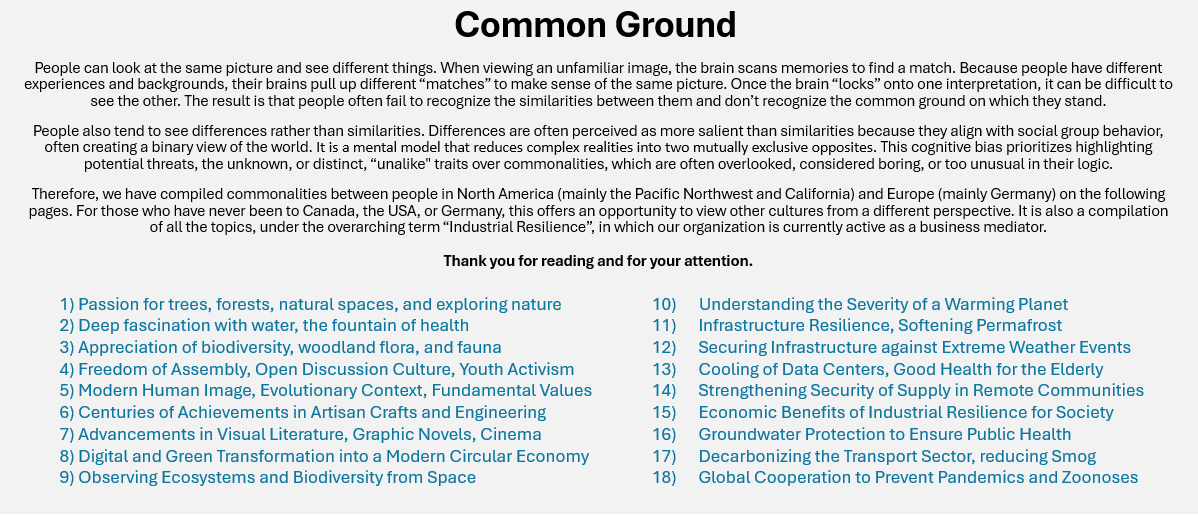
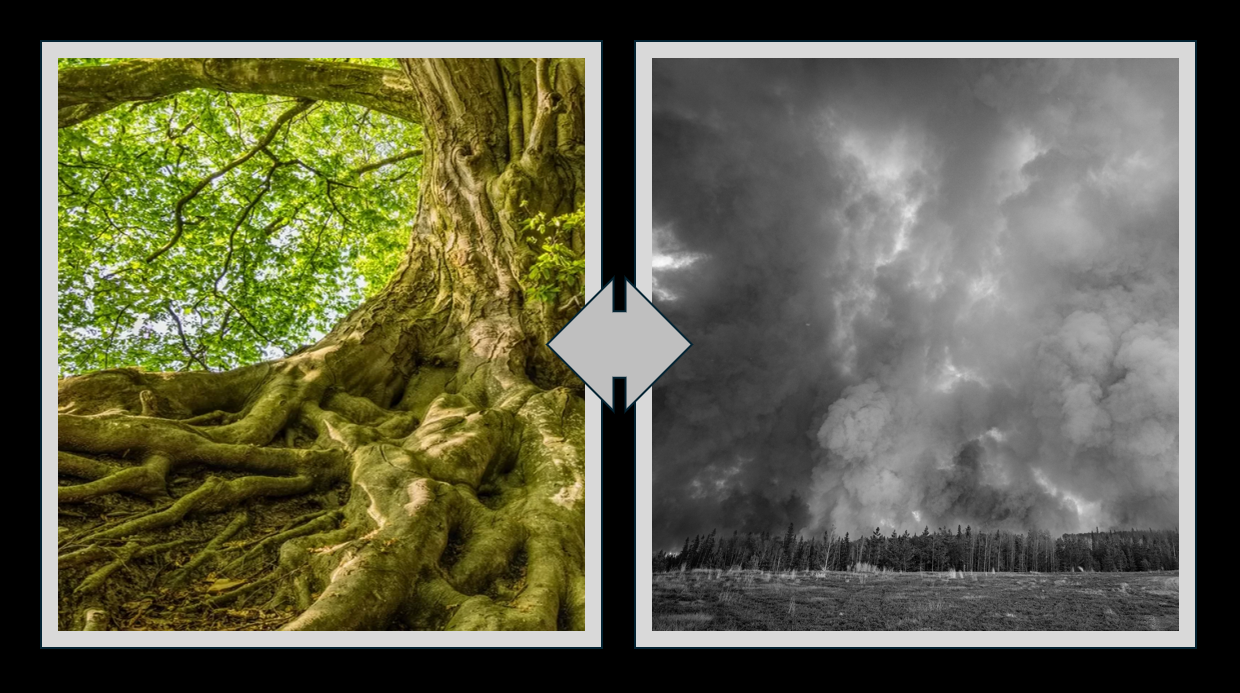
Passion for Trees, Forests, Natural Spaces, and Exploring Nature
In Norse mythology, the tree is the origin, standing for growth, development, and connection with nature. The tree offers protection, healing, and warmth. The cycle of flowering and fruiting symbolizes renewal and immortality. Deep roots represent support, family, and origin. The trunk symbolizes strength and stability. The tree of life is a powerful, universal symbol connecting heaven and earth. You will find tall, strong trees standing in the city centers of many German cities and towns, often used in celebration of weddings, birthdays, or spring festivals.
A Close Connection with Nature
The forest is not only seen as part of the landscape, but also a reflection of the human soul. The deep-seated love many Germans have for forests is rooted in a sense of melancholy based on the search for renewal, security, peace, and the preservation of the transient. The eagle, bear, deer, ibex, and beaver are traditionally used in heraldic symbols, representing wisdom, strength, perseverance, reliability, and prudence. These virtues are still considered exemplary.
The vibrant colors of the forest in autumn and at dusk are seen as particularly fascinating. At these times of the year, you will find many hikers in natural-colored clothing wandering through the woods, often searching for mushrooms or berries. Exploring the forest, its meadows, ponds, rivers, trees, and mountains is part of the lifestyle. It creates a fundamental attitude towards the importance of ecosystems, with the preservation of forests at its heart.
Deep Fascination with Water, the Fountain of Health
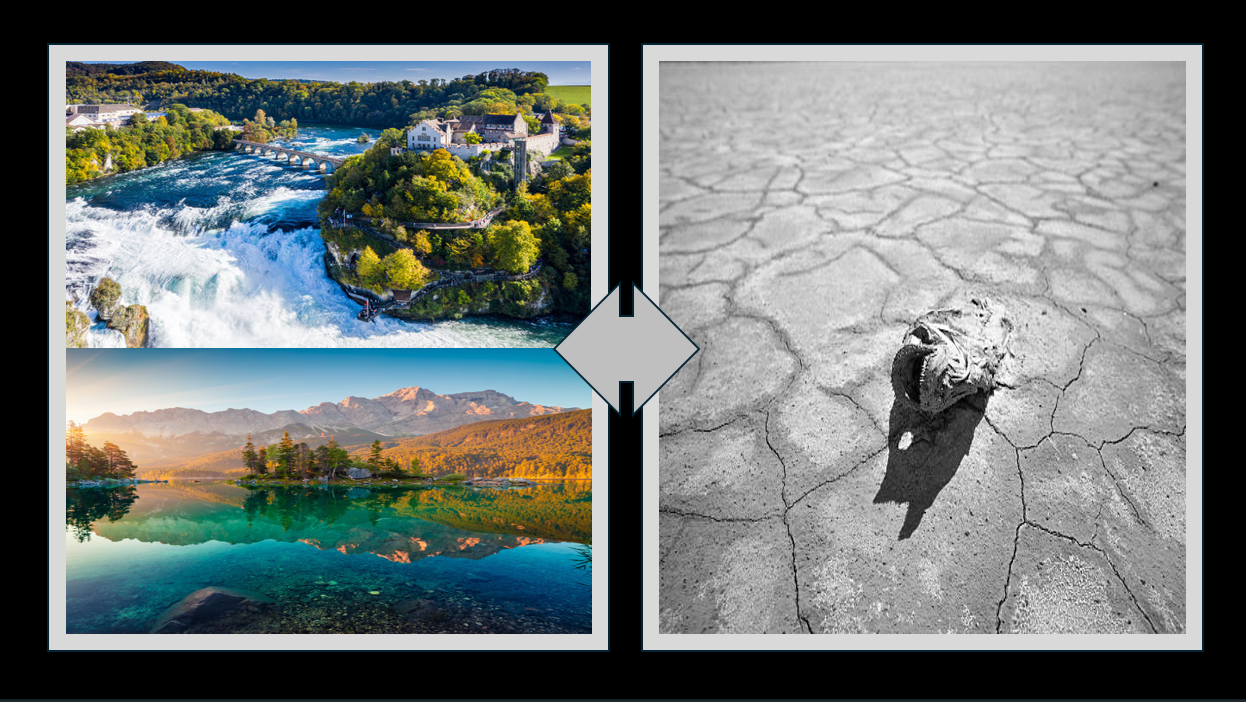
For many Germans, water is the essential element of life, a source of creation, or a magical boundary between worlds. It serves as a healing element for body and mind and is seen as a sign of new life. It is associated with tranquility, energy, renewal, vitality, and growth. Water sources are the dwelling place of spiritual beings such as mermaids, nymphs, and fountains, and are widely considered places of happiness. Bathhouses and steam baths are essential for health recovery and wellness.
A Fundamental Natural Remedy and Cornerstone of Preventive Health
In German naturopathy, water is a fundamental natural remedy healing the body and mind. In modern medicine, drinking water is considered a proactive health measure, often taken with minerals and nutrients. It strengthens the immune system and boosts metabolism. Thermal springs, large baths, and mineral spas are integral to healthcare. Hydrotherapy and balneotherapy have proven effective in treating rheumatism, revitalizing the cardiovascular system, and promoting skin health. The Great Spa Towns of Europe, formerly reserved for kings, princes, and cardinals, are now open to visitors from all countries and social classes. Today, drinking water is the most strictly controlled health product. Water quality and the protection of water resources have the highest priority.
Similar viewpoints exist in North America. The Ojibwe people, for instance, observe water as a medium through which the divine excommunicates, symbolizing purity, life, and renewal.
Appreciation of Biodiversity, Woodland Flora, and Fauna
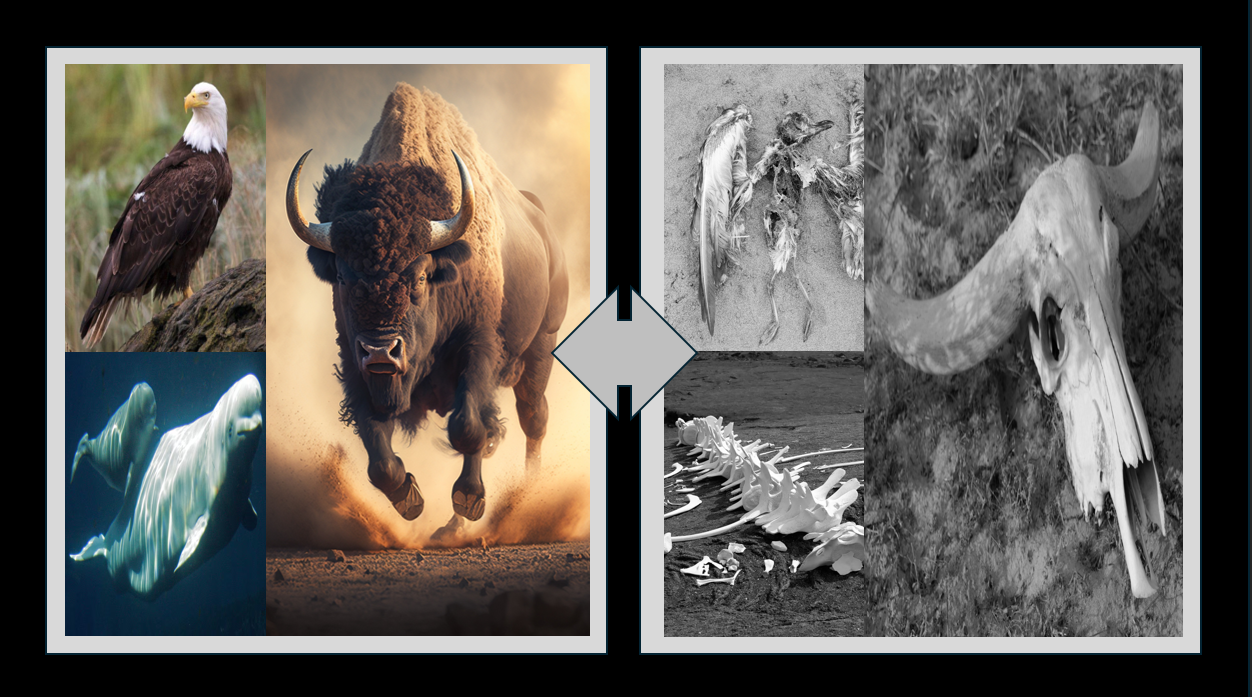
The deep connection to nature found among many Germans reflects ancient Nordic myths, in which nature was not a separate entity but a spiritual, enchanted space. Gods, giants, dwarves, elves, goblins, as well as magical animal species and healing plants lived in these worlds. Nature, seen as a colorful and diverse place, is alive and protected by tree spirits and nymphs. Eagles, bears, wolves, horses, goats, and ravens are assigned symbolic roles and accompany humans, while giants embody uncontrollable natural forces. The balance among life, growth, and decay, and the maintenance of equilibrium, is central to many legends and poems, grounded in the teaching that survival is possible only in an intact nature.
In North America, a similar conversation exists, recorded in the learning of indigenous cultures with the preservation of natural ecosystems at its heart. In the Arctic, we find similar respect for animals, open spaces, and the heavens. The vibrant colors of the Aurora Borealis provide a connection to the creator and the souls of ancestors.
Intact Nature, Ecosystems, and Habitats for Future Generations
Modern society understands these lessons, formulates protection goals, and seeks to restore natural spaces degraded by industrialization over centuries. Important objectives include halting the decline in insect and bird populations by reducing pesticide use, expanding green roofs, and planting flowering strips. Protected areas like peatlands and forests are being linked, while many rivers, streams, and lakes are undergoing restoration. Animals, plants, fungi, and microorganisms are considered essential for clean water, fresh air, fertile soil, and healthy food. An intact environment is understood as natural capital, and so Germany is investing billions in biodiversity and nature conservation through national and international initiatives, e.g., a €1 billion pledge by the Tropical Forest Forever Facility Funds.
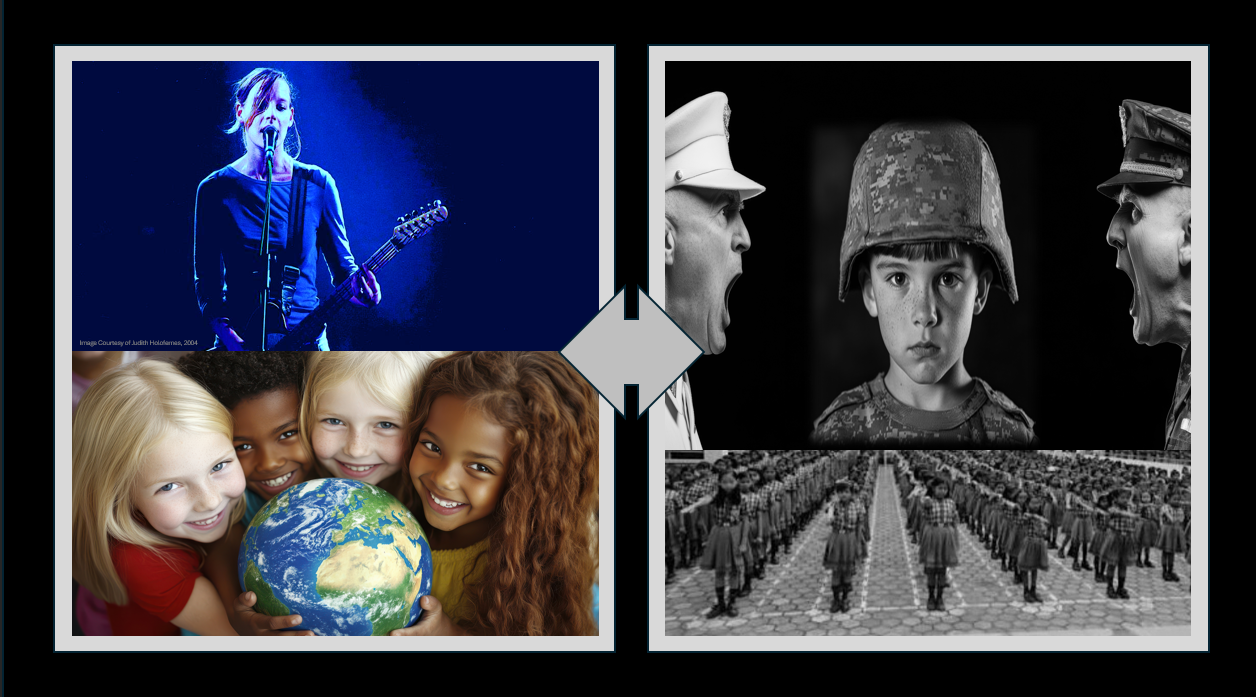
Freedom of Assembly, Open Discussion Culture, Youth Activism
Environmental protection and climate change are complex issues whose impacts affect both older and younger generations. Addressing issues and initiating preventative measures can mean restrictions or the abandonment of cherished habits, often unpopular in industrial societies. It is easier to deny or dismiss things using populist tactics. However, the more pronounced critical thinking, deliberation, and teamwork skills among young people are, and the more unified the young generation appears in public, the higher the probability of success for future generations in addressing the challenges of global warming. Progress in society comes from listening, respecting, and learning from dissenting voices.
Performing and Visual Arts, Music, Dance, Acting, Performance Art, Design, Painting
In open cultures, music, singing, painting, and acting reach large parts of society. Music can convey information emotionally, create community, and provide strength and courage to individuals. Nature and music embody beauty and harmony, spreading appreciation for natural capital. Initiatives like “Fridays for Future” are pioneering in Germany, driving climate consciousness and public debate https://www.youtube.com/watch?v=MjVL8WQXSU0&list=RDMjVL8WQXSU0&start_radio=1 (Fridays for Future I Climate Dialog Event, Baden-Württemberg).
Germany is a leading hub for the environmental movement in Europe due to its population size, central position, and it attracts more artists and musicians than ever before. Songs by international musicians addressing environmental issues are:
Neil Young – Who‘s Gonna Stand Up?, Bob Dylan – The Times They Are A-Changin’, Pink Floyd – Wish You Were Here, Deep Purple – Smoke on the Water, Radiohead – Idioteque, U2 – Beautiful Day, Coldplay – Viva La Vida, The Cranberries – Time is Ticking Out, Oasis – Don’t Look Back in Anger, Green Day – Boulevard of Broken Dreams, AC/DC – Thunderstruck, Nena – 99 Air Ballons, Linkin Park – What I’ve Done, etc. The German music scene tackles climate change topics through a fusion of young rap/hip-hop artists and classical influences. Examples of performing musicians in open-air events in Berlin, Frankfurt, Hamburg, Cologne, Stuttgart, Munich, Leipzig, Hanover, etc. are, e.g., Alice Merton – The River, Alligatoah – Lass liegen, Aurora – The Seed, Billie Eilish – All the Good Girls go to Hell, CassMae – My Inner Peace, Deichkind – Denken Sie Gross, Joy Denalane – Mit Dir, Lil Dicky/Justin Bieber – Earth, Ludovico Einaudi – Elegy for the Arctic, Sportfreunde Stiller – Applaus, Applaus, and many more.
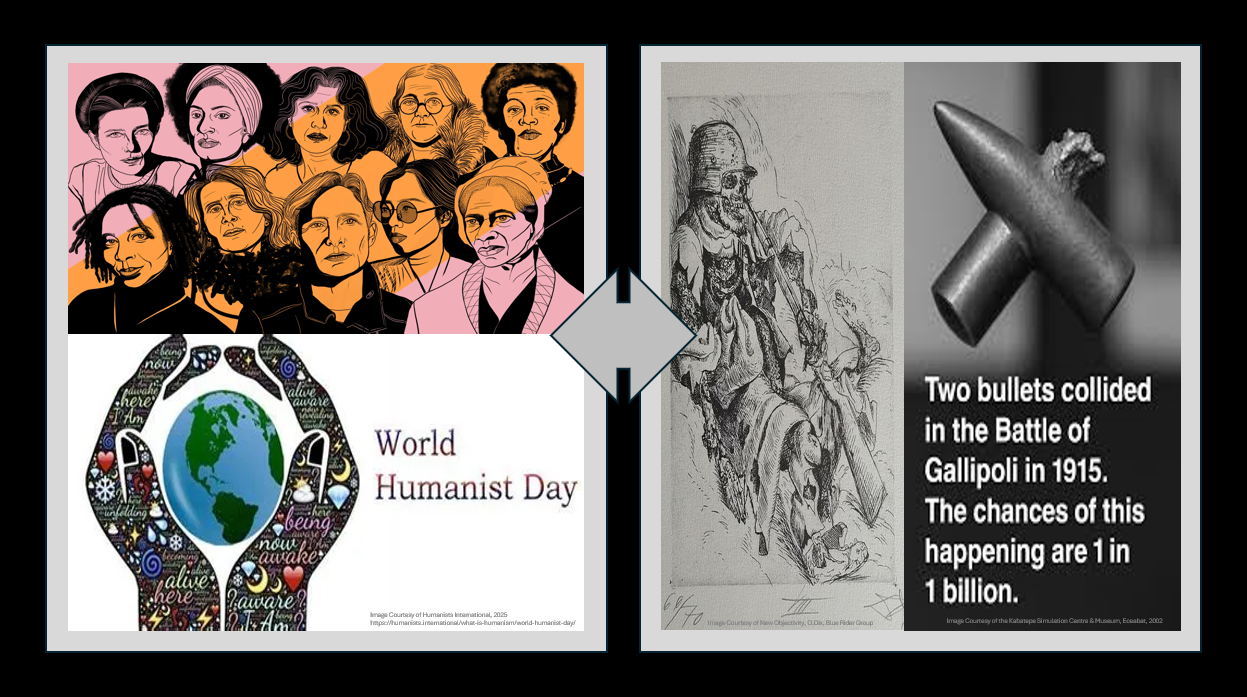
The Modern Human Image, Evolutionary Context, Fundamental Values
German society is pluralistic, encompassing a wide range of cultures, religions, and worldviews. The prevailing mindsets and intellectual foundations are rooted in the European Enlightenment, a philosophical and cultural movement that spanned roughly from 1650 to 1850. The German Constitution (like “Charter of Rights”) embodies the highest legal norms and protects Democratic freedom, human dignity, freedom of the press and religion, the rule of law, freedom of science, education, profession, equality, and freedom of thought. Marriage and family enjoy special protection regardless of gender. Fundamental values are rooted in pacifist and liberal humanism and a reflection of the central theses of important Scottish, American, British, German, French, Irish, Polish, and Norwegian thinkers of this time, such as Rousseau, Herder, Nansen, Reid (human dignity), Schiller, Voltaire, Thomasius, Mendelssohn, Hume (freedom of the press and religion), Heller, Montesquieu, Locke, Madison (rule of law), Comte, Humboldt, Holberg, Maslow (freedom of science, education, profession), de Beauvoir, Zetkin, Crenshaw, Truth (equality of people), Hawthorne, Milton, Jefferson, and Goethe (freedom of thought). This evolutionary humanism continues to develop into a naturalistic, open worldview through the continuous integration of scientific knowledge and discoveries of thought leaders such as Goldwin Smith, Jean L’Heureux, Emily Stowe, Raja Ram Mohan Roy, Ishwar Chandra Vidyasagar, Baba Bulleh Shah, Nakae Tōju, Kenzaburō Ōe, or Isaac Asimov.
Forward-Oriented Education System, Linguistic Diversity, International Knowledge Exchange
The education system places a strong emphasis on a modern, cosmopolitan world view, with multilingualism being a central pillar, particularly through the teaching of English, French, and Spanish. Foreign language education is considered vital for cultivating communication skills and intercultural competence. Educational goals for students include critical rationality, reason, logic, self-determination, and solidarity. New study formats such as MINT, a combination of the disciplines of mathematics, computer science, humanities, and natural sciences, are available. Areas of specialization are, e.g., electrical engineering, optoelectronics, medical technology, materials engineering, etc. Many international students from countries such as Canada, the USA, Japan, India, and other Western European countries are attracted to German universities and research centers.
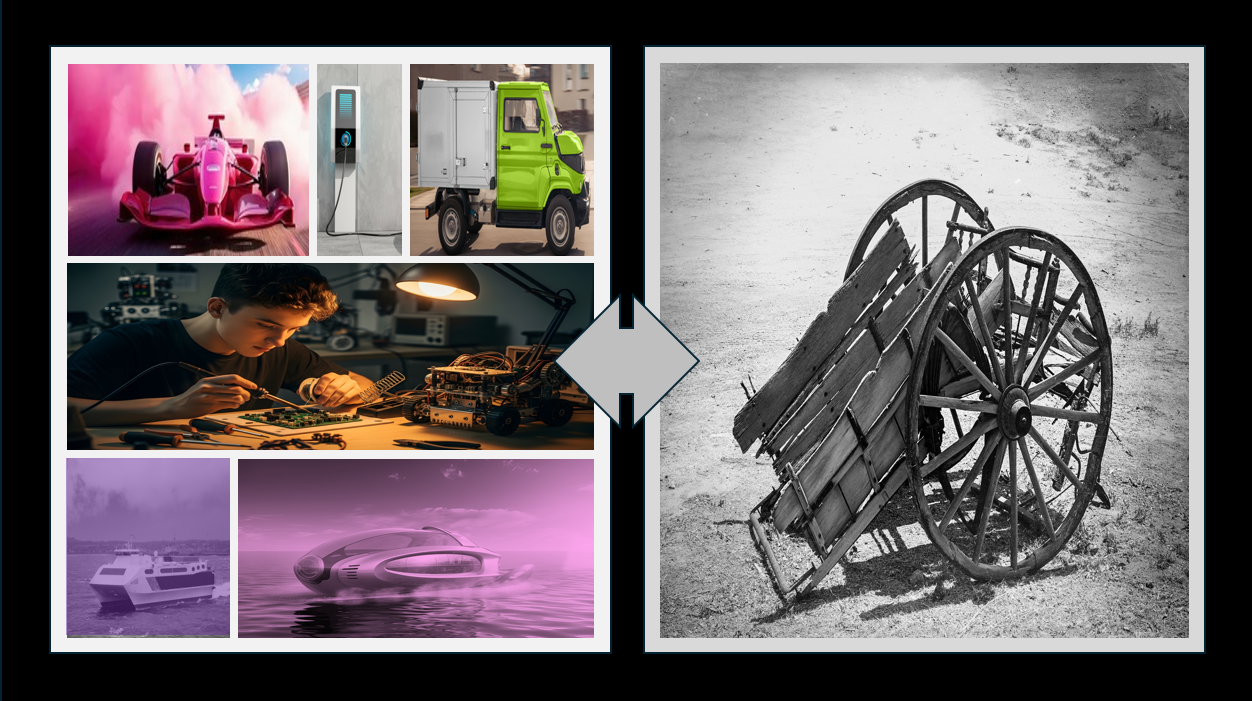
Centuries of Achievements in Artisan Crafts and Engineering
Engineers have greatly shaped today’s modern world. The roots of German engineering are intertwined with the country’s long-standing traditions of artisan craft and toy manufacturing. Skilled artisans who produced artistic toys as status symbols for nobility and rich merchant families enjoyed special appreciation in Europe for centuries. In the regionally networked workshops of free German cities and dukedoms, fine trades such as instrument crafting, watchmaking, glassblowing, and gemstone cutting flourished early. Specialization through meticulous craftsmanship, unique aesthetics, and the highest material quality were differentiators for success in sales of valuable stringed instruments, pocket watches, stained glass, or precious ornaments. Guild signs secured the high quality of masterpieces in a competitive landscape. The town of Sonneberg, one of many artisan craft towns, developed into a city that consisted only of toy manufacturers. Handmade miniature stores, wooden toys, dolls, and teddy bears became signature toys, delivered at Christmas time to countless Canadian and American families with a red ribbon and “Greetings from the precision-oriented Santa Claus”, on time and as ordered.
Evolution of Engineering Sciences from Industrialization to the Information Age
Artisan crafts could only partially meet the demands of industrialization. Polytechnic universities (engineering schools) were entrusted with granting academic degrees to the modern, professional engineer. Focus areas consisted of mechanical, civil, and electrical engineering, as well as the subjects of physics, mathematics, chemistry, mineralogy, and botany. Universities of technology were founded in, among other places, Hamburg, Hanover, Karlsruhe, Stuttgart, Leipzig, and Munich. With the introduction of the patent system and freedom of trade, workshops were transformed into engineering firms. The industrial transformation was also reflected in toys. The good castability of tin enabled the cost-effective production of tinplate toys, e.g., model cars, boats, planes, French music boxes, electric model railways, and miniature steam engines made of brass and copper. With the microprocessor revolution, a further transformation occurred, leading to the first video games, arcades, and the personal home computer in the mid-1970s.
Numerous achievements are now available for intergenerational collaboration, thanks to international and German pioneers such as John A. Roebling, Sir Sandford Fleming, Ernst W. Siemens, Gottlieb Daimler, Carl von Linde, and Otto Lilienthal. Women who became role models in science and society, including Ida Noddack, Lise Meitner, Caroline Eichler, Bertha Benz, Luise Herzberg, as well as thought leaders such as Albert Einstein, Willard S. Boyle, Rudolf Diesel, Henry Taube, Herbert Kroemer, and Hartmut Mehdorn. New contributions came from engineers such as Kassem Taher Saleh, Olfa Kanoun, Gerd Hirzinger, Sigrid Peyerimhoff, Karlheinz Brandenburg, Narem Shaam, and Otto Stockhausen. Role models in artisan crafts are Heinrich E. Steinweg, Martha Wittnauer, Pia Hoff, and Elisabeth Treskow.
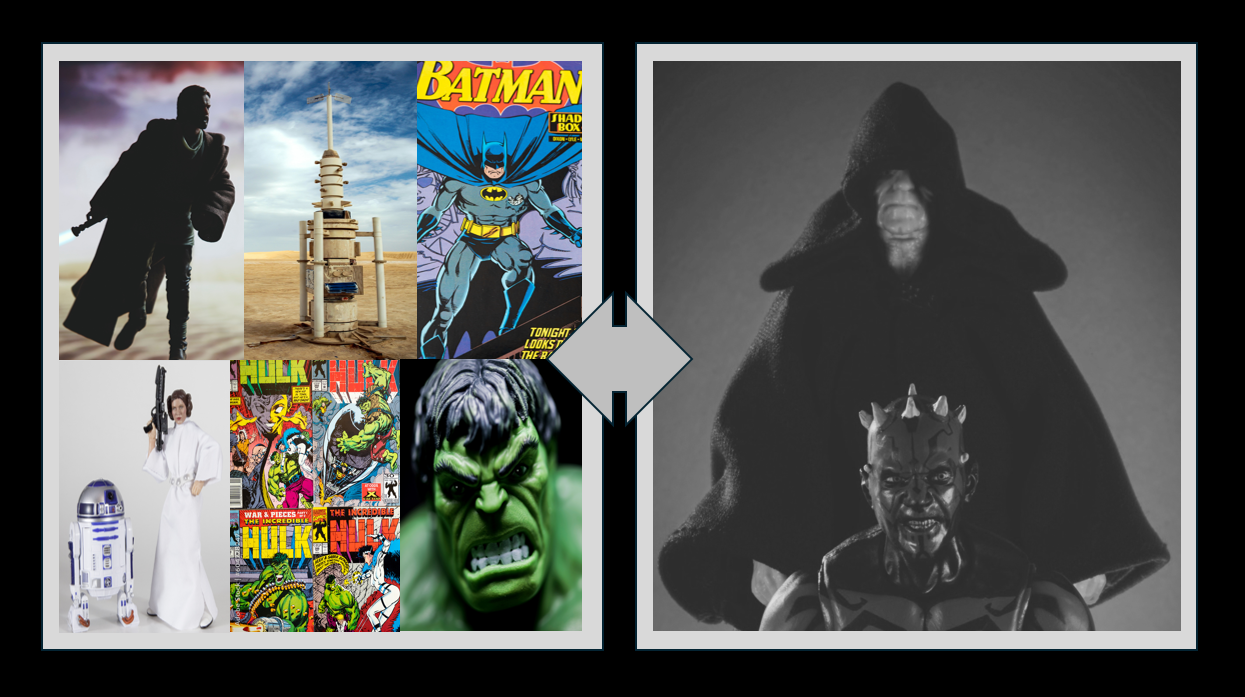
Advancements in Visual Literature, Graphic Novels, Anime, and Cinema
The transition between illustrated book narratives and modern animated films was influenced by the graphic novel, enabled by offset printing technology. New narrative worlds gained access in kiosks and newsagents, available as both hardcover and paperback. A fanbase of the North American superhero genre developed starting in the 1970s onwards in Germany. Figures like the Incredible Hulk thrilled teenagers and young adults. The 1980s marked a transition from the graphic novels to anime produced by Japanese studios. Sitcoms, action movies, and nature documentaries followed. Large-scale Cinemas and Video rental stores became established in the 1990s. Productions that achieved high popularity include:
The Silver Age (1956-1970), including graphic novels, hand-drawn animated films, and movies
Hulk, Batman, Silver Surfer, Spider-Man, Wolverine, Green Arrow, Wonder Woman, X-Men, Avengers, Watchmen, The Pink Panther, The Flintstones, The Jungle Book, Lucky Luke, A Christmas Carol.
The Bronze Age (1970-1985), including 2D animations, TV series, sitcoms, multiplex cinema movies
The Pinky and the Brain, Saber Rider and the Star Sheriffs, Inspector Gadget, Battlestar Galactica, Ghostbusters, Star Wars, Gandhi, Riptide, The Bill Cosby Show, Seinfeld, The Matrix, Back to the Future.
The Modern Age (1985-Today), including 3D animations, blockbusters, digital cinema, and IMAX
Galaxy Rangers, The Simpsons, Friends, The Prince of Bel Air, Kuch Kuch Hota Hai, Star Wars, Star Trek, Forest Gump, A Beautiful Mind, The Matrix, Walk the Line, Guardians of the Galaxy, The Mandalorian, Animal Planet, The World from Above.
Popular international actors in German film and television, among many others:
Mel Gibson, Rosario Dawson, Forest Whitaker, Joaquin Phoenix, Robert Redford, Tom Hanks, Leonard Nimoy, William Shatner, James Doohan, Miku Martineau, Donald Sutherland, Merryl Streep, Lorne Greene, Keanu Reeves, Ben Kingsley, Irrfan Khan, Ken Watanabe, Karen Gillan, Klaus M. Brandauer, Christian Bale, Hilary Swank, Clint Eastwood, Anthony Hopkins, and Pedro Pascal.
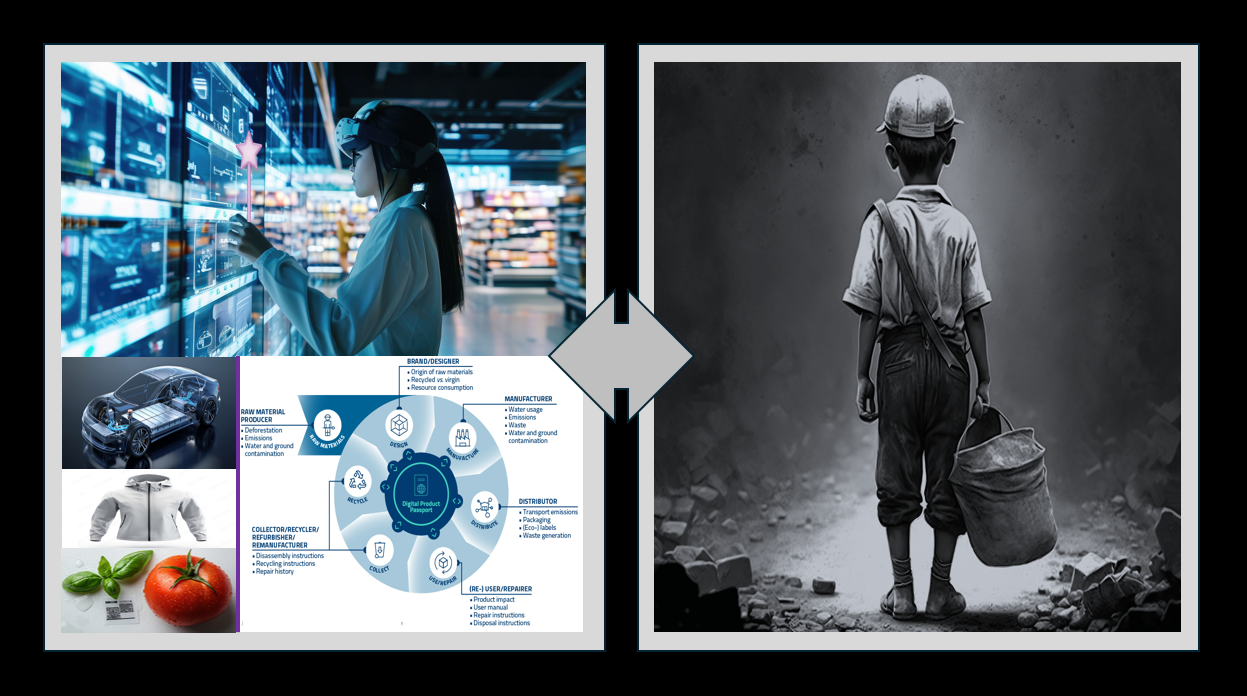
Digital and Green Transformation into a Modern Circular Economy (“Twin Transition”)
Digitalization enables global networking and instant access to information. Connecting B2B partners, global markets, and securing value chains, digitalization opens new possibilities for citizens due to higher levels of transparency. Diverse opportunities for joint action emerge, as well as a strength that was previously only possessed by superheroes, and something which humanists didn’t even dare to dream: empowered and fully digitally connected citizens. Consumers use their digital reach for value-based consumption. Especially Millennials (1980-1995) and Generation Z (1995-2010) make purchasing decisions based on transparent manufacturing practices. They are supported by the ‘Green Deal’, a legislation passed by the European Parliament, compelling manufacturers to provide product-specific sustainability data from 2025/2026 onwards.
Value-based Consumption for Greater Sustainability and Consumer Protection
The Digital Product Passport (DPP) is a mandatory digital record under EU law (ESPR) that holds comprehensive, traceable data on a product’s materials, lifecycle, and environmental impact. Accessed via a QR code or RFID tag, it helps consumers, companies, and regulators verify sustainability, repairability, and recyclability. The DPP serves to enable the circular economy, improve repairability, and reduce waste. In addition, digital twins can populate the DPP with accurate, updated data throughout the product lifecycle, from design and production to usage and end-of-life. Consumers thus receive product data on pricing, material composition, carbon footprint, water usage, energy consumption, recycling, as well as information on manufacturers involved in the production process along the value chain.
This new frontier offers advanced consumer protection. Unrecognized, overlooked, or simply misunderstood products will thus gain in appreciation, and households will be able to target their purchasing power to shape the circular economy. In 2025, private household consumption in the EU-27 amounted to 11.28 trillion USD (EUR / USD: 1.1461, Source: Eurostat, ECB). The linkage of purchasing power with modern freedoms and sustainability creates new opportunities for innovators of value-added products in, e.g., clean tech, renewables, biomaterials, energy, transportation, organic farming, senior care, medtech, etc., in a market of 451 million consumers. Furthermore, the younger generation is provided with the opportunity to make conscious, transparent, and more sustainable choices. The digital circular economy will contribute to achieving climate neutrality before 2050.
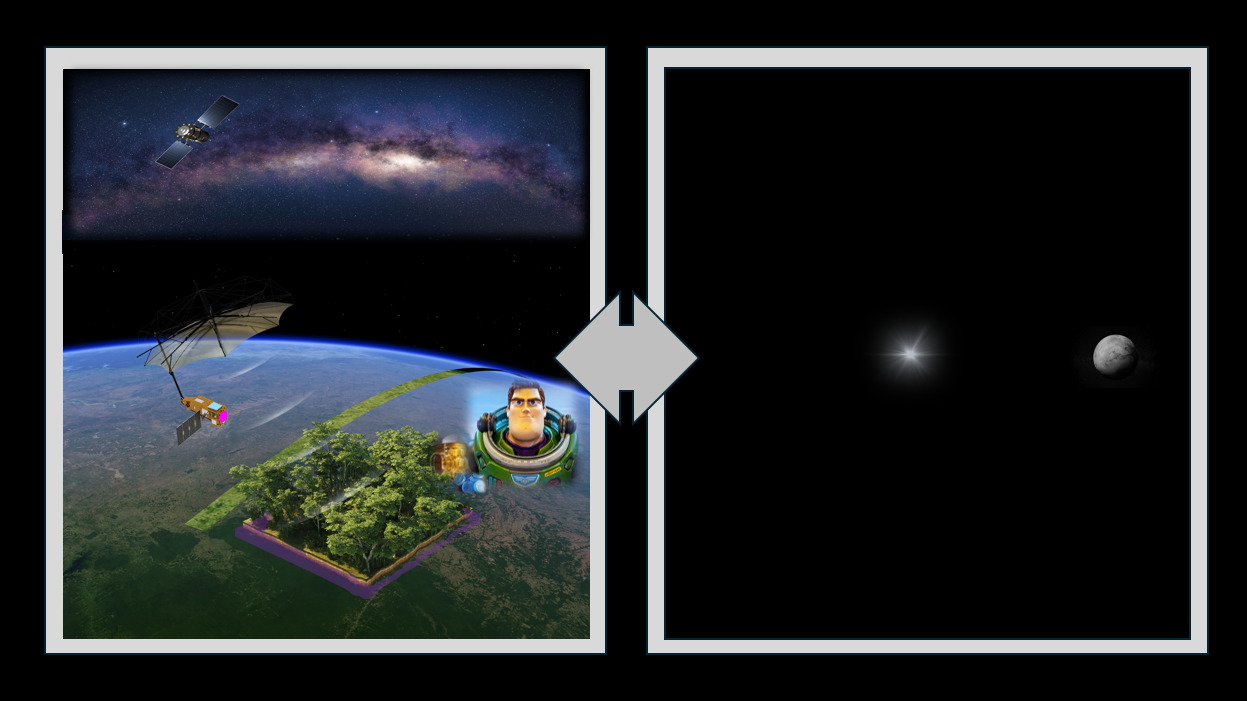
Observing the role of Ecosystems and Biodiversity from Space
Understanding the biosphere is important for building a deep understanding of how to preserve life on Earth. Thus, forests are much more than just a collection of trees. They are a resilient community with complex interrelationships with animals, plants, and microorganisms. Infused with energy, they form a physical, natural bond, an environment for growth, and a force in the renewal of life. Environmental satellites are critical for developing forward-looking methods for the protection of our precious global biospheres and forest areas. Understanding temperature control mechanisms, influencing weather patterns, soil erosion, water storage, carbon sequestration, and oxygen-producing photosynthesis are some of the benefits of advanced environmental monitoring technologies. Using satellites to collect data on tree populations in remote, often simply inaccessible areas, forms a sustainable method for measuring ecosystem services and provides vital data for climate change tracking, safe maritime navigation, and environmental safeguarding of citizens.
Orbital Keepers of our Mother Earth, keeping watch of our Cities, Forests, Oceans, and Lands
Earth observation satellites form a highly specialized segment in monitoring our Earth’s surface and atmosphere. Made from temperature-stable light metals and advanced alloys, many of them operate in sun-synchronous, near-polar orbits. Passing over Earth’s poles on average 14 times per day in low altitudes, they provide excellent coverage of high-latitude regions like Canada, the Arctic, and Europe. Scientific precision instruments, such as advanced optical sensors or radiometers, provide meteorological data, e.g., weather forecasts. Satellites can measure, e.g., greenhouse gas emissions (CO2, CH4), air pollution (ozone, aerosols), or water pollution (algal bloom, plastics, oil films). Environmental parameters supporting agriculture and forestry can be, e.g., land-use changes, soil moisture content, groundwater levels, snowpack covers, seasonal plant growth, validation of individual tree species, or forest carbon stock. State-of-the-art sensor technology also offers new geological features for mining and exploration, e.g., detection of surface mineral deposits, geological anomalies, or permafrost monitoring, e.g., active layer thickness, permafrost temperature, rock formation, etc.
Disaster prevention and relief have created the need for real-time data delivery and higher image resolutions. To mitigate climate risks to high-density populated areas and rural zones, including the early detection of fire spread, heat waves, and flash floods, the focus is on prevention. Satellite data can be analyzed using AI, processed on-orbit, and provided as high-resolution satellite image maps or 3D simulations within digital twins. The highest data quality is crucial for forecast accuracy and to detect extreme weather events at an early stage. Real-time data on, e.g., atmospheric cloud structures, humidity, wind speed, surface temperature, solar radiation, lightning, or local cellulosic vegetation are key. Canadian satellite missions active for many years are, e.g., SCISAT, RADARSAT RCM1-3, WILDFIRESAT, HAWCSAT, or EDC-1. Based on current strategic plans and increased industrial spending, several major European environmental satellite programs (10 to 15) are scheduled for launch between 2025 and 2030, with more to come.
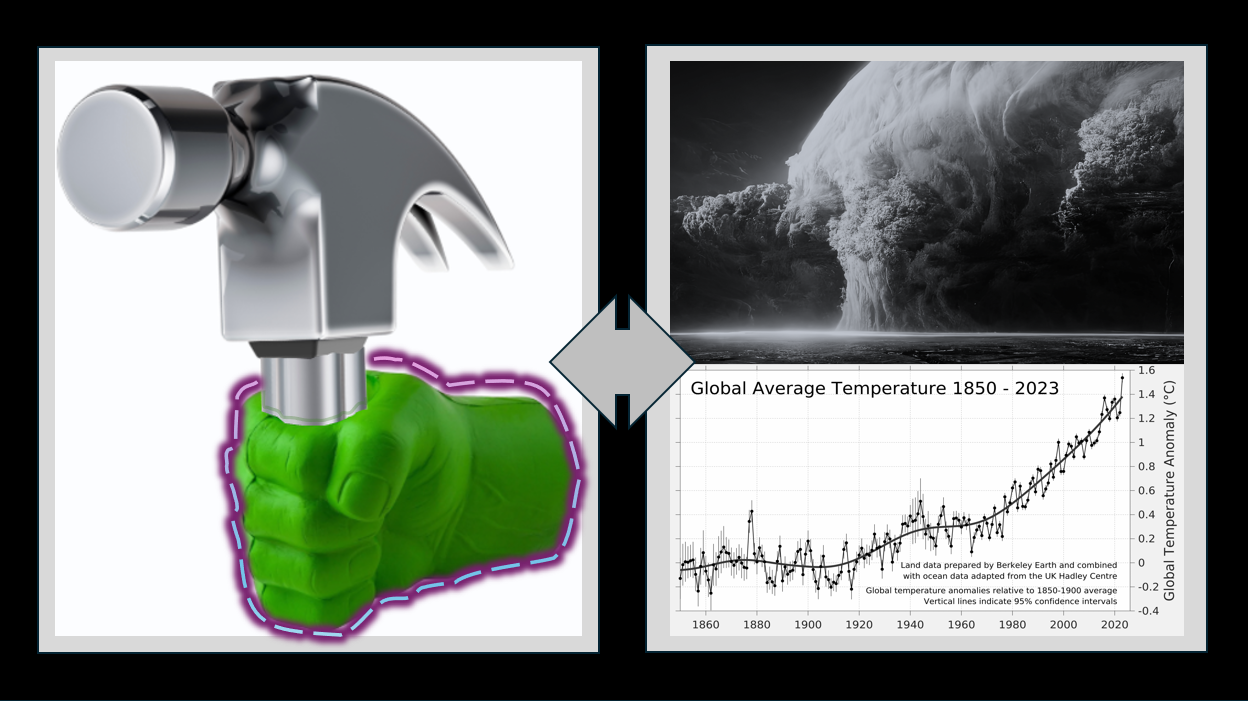
Understanding the Severity of a Warming Planet on our Climate System
2024 was the first calendar year to exceed an average global temperature increase of 1.5°C above pre-industrial levels (1850–1900). Climate models project a further increase due to greenhouse gas emissions, in a range between +0.25 °C and +0.50 °C per decade. The consequence is a temperature increase of 1.75 °C to 2.0 °C by 2035, 2.25 °C to 3.0 °C by 2055, and 2.75 °C to 4.0 °C by 2075, depending on the region and time of year, and overlapping, cyclical climate events such as El Niño (ENSO).
Increased climate variability can accelerate thawing of permafrost, the reduction of forest areas, and the melting of glaciers. Prolonged drought combined with reduced groundwater reservoirs and low water levels in rivers and streams can increase the risk of forest and vegetation fires or reduce crops and electricity yields. In Europe, local heat waves with extreme temperatures up to 55 °C are up to 150 times more likely, and droughts are increasing. Storms, heavy rain, and flash floods create heavy wind and hydrostatic loads on, e.g., railway infrastructures, including bridges, tracks, and overhead wires. Flood surges in rivers can overtop power plant dikes, exceeding design capacities. New constructions, infrastructure, and intergenerational projects, e.g., transport routes, ports, energy networks, power plants, and unique building structures (bridges), designed for a service life of 50-150 years, will therefore be severely impacted by the consequences of global warming.
Improvement of Global Competitiveness in Manufacturing, Secured Supply Chains, and Prosperity
Today, the societal costs of climate change amount to between 2 and 3% of German GDP and are predicted to increase to between 15 and 20% of GDP. Stagnation and a substantial decline in prosperity will primarily affect economic regions with low industrial resilience to climate change. A survey of corporate decision-makers (C-level, DAX 30) found an expectation for the occurrence of medium to severe climate-related damage events starting from 2029 to 2035, including loss of production and logistics disruptions due to, e.g., freshwater shortage, lightning-induced surge damage to machinery, or efficiency declines at power plants in summer. Heat waves can affect the quality of goods stored in warehouses and labor productivity. Achieving industry resilience – the ability to withstand, adapt, and recover – is therefore an important proactive measure. Exporters with resilient infrastructure and reliable supply chains can achieve competitive advantages. Industrial resilience will thus become the critical success factor for growth, wealth, and prosperity in the mid-21st century.
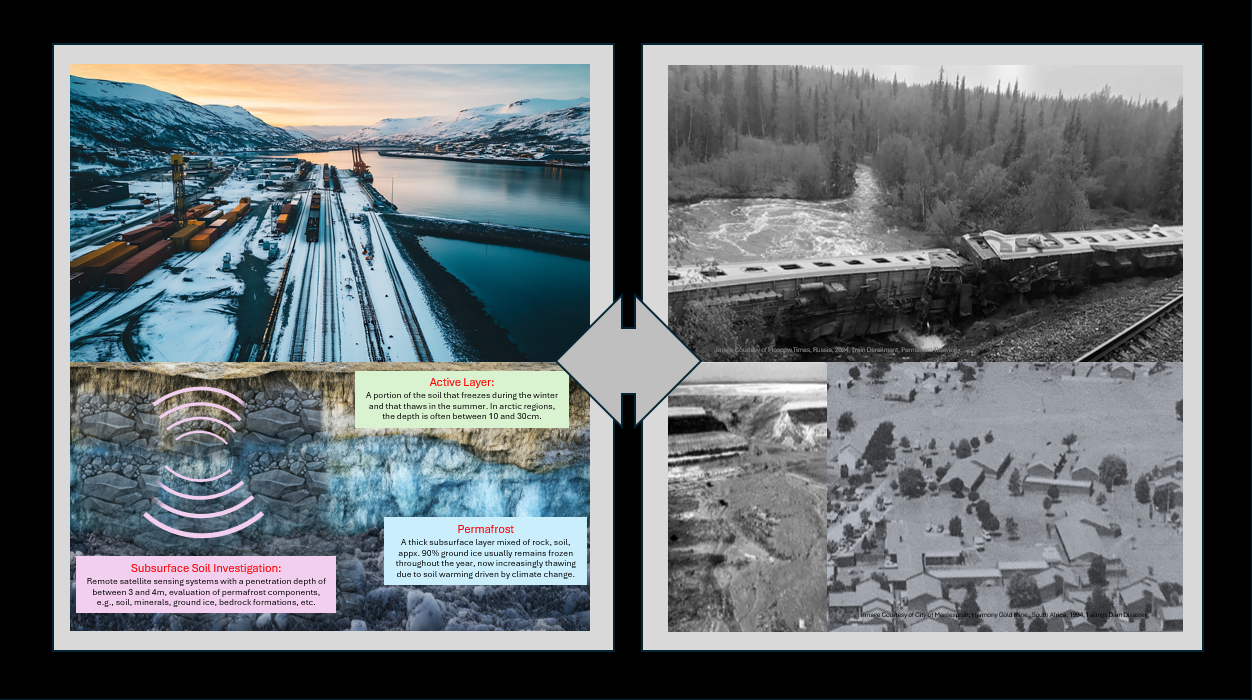
Infrastructure Resilience in a Softening Permafrost Landscape
The impacts of global warming are clearly visible in Arctic regions, warming at a faster pace than the rest of the world. Primarily affected is permafrost, which can consist of up to 90% ground ice and covers a large part of the land area of the Northern Hemisphere. Higher temperatures and intense fluctuations lead to melting of ice bound in permafrost (permafrost degradation), often resulting in ground subsidence, landslides, and thermokarst cracks. Unstable terrain and poor subsurface stability can affect the transportation infrastructure, particularly airports, bridges, railway tracks, and highways. Also impacted is the energy infrastructure, including power plants, substations, and overhead lines. Foundation failures can trigger network outages, supply and production outages, and cause reduced supply chain efficiencies in connected industries. In Europe, rising temperatures pose challenges to the infrastructure of the resource sector (metal manufacturing, mining, oil industry). Rapid thawing of bound ice masses can lead to overflows, waterlogging, and landslides, and can affect the stability of tailing ponds. The same applies to diesel fuel storage facilities of power plants or underground pipelines of refineries. Environmental non-compliance, such as the release of toxic, persistent chemicals into farmland, fishing grounds, or groundwater, is considered a legal fact. Missing documentation on plant reliability, negligence in operations, and a lack of due diligence in similar cases have led to the revocation of operating licenses and compensation payments in the billions.
In-situ Measurement Systems, Satellite Monitoring, Smart Materials for Higher Resilience
Today, there are many different solutions for sustainable construction in permafrost. The soil conditions at the site are crucial for the selection of suitable structural designs, building materials, cooling systems, etc. Detailed geological site investigations and geological feasibility studies, including predictions on the deformation behavior of permafrost soil over the infrastructure service life, are essential for determining the most suitable locations. Locally deployable in-situ measurement techniques for monitoring the active layer, rock, and ice content of the permafrost exist and can be combined with various satellite measurements, including AI, in the near term. Advances in geodesy enable early detection of landslides by measuring surface creep speed due to thawing. Optimized construction planning, reliable structural analysis, reduced maintenance costs, and more efficient transportation networks, e.g., rail freight, are significant advantages for inhabitants seeking adaptation to climate change in the permafrost.
Securing sensitive Infrastructure against the Impacts of Extreme Weather
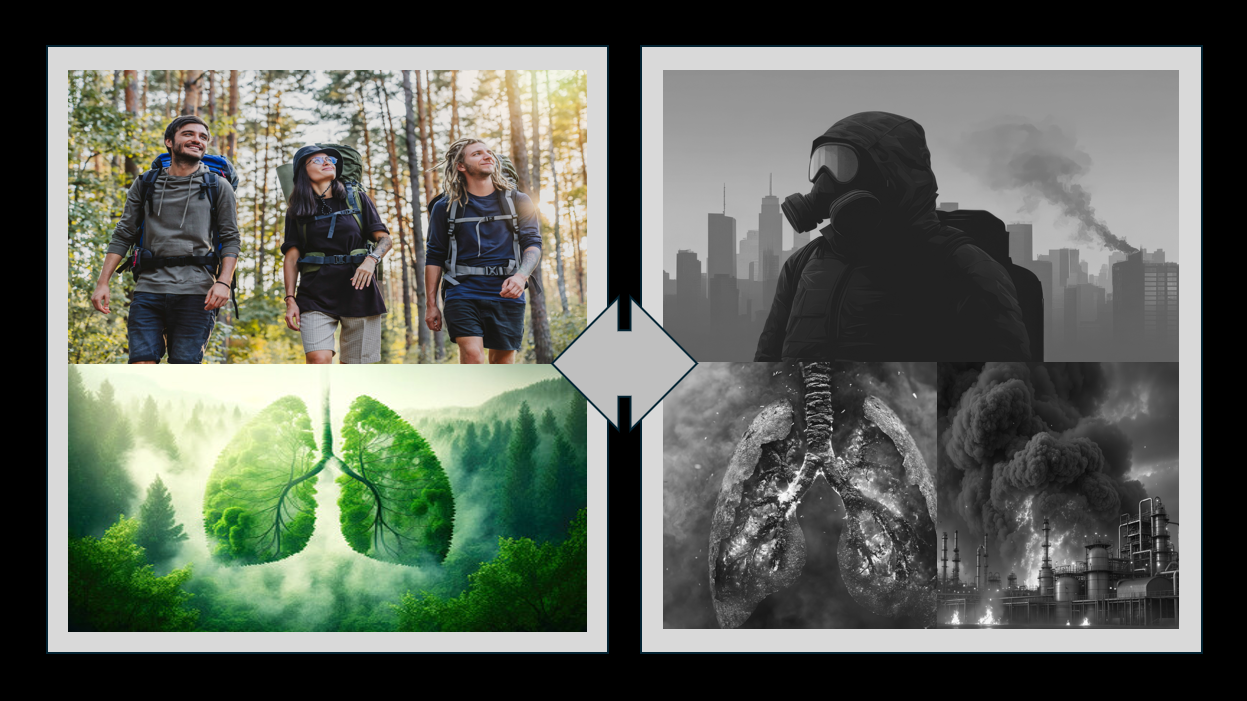
Increased periods of dry weather with high daytime heat, UV radiation, and wind can significantly increase the likelihood of forest and vegetation fires. Nearby warehouses, storage facilities, and distribution centers can contain flammable liquids, such as pressurized gas cylinders or flammable solids, such as paints, varnishes, and solvents, etc., and need to be secured. Fuel, propellant, and chemical storage depots of gas stations, refineries, textile factories, power plants, airports, military bases, and seaports can also be exposed. Hazardous substances can also be stored in hospitals, laboratories, or landfills for municipal or industrial waste. Power outages due to disruptions of substations and overhead lines can cause failure of cooling systems. Water shortages can make firefighting more difficult. Thermal stresses can reduce the effectiveness of existing safety systems over their service life or lead to material obsolescence. Examples are component aging in cooling systems, reserve generators, or hydraulic power units. Extreme heat can also initiate uncontrolled chemical reactions, causing cracking in, e.g., pressure vessels. Wildfire smoke can contain complex mixtures of highly toxic substances, including carbon monoxide (CO), hydrogen cyanide, dioxins, heavy metals, soot particles, VOCs, PAHs, NOx, etc. These respiratory poisons can cause severe lung injuries, cardiovascular damage, neurological disorders, or cancer as late consequences, and are often more deadly than the fire itself.
Higher atmospheric moisture content, driven by warmer temperatures, can cause heavy rain events and higher wind speeds. Floods can overcome dikes and retention basins, damaging production halls, warehouses, and energy infrastructure if pump and drainage systems fail. Stagnant water, higher humidity levels, and sludge promote the corrosion of, e.g., metallic pipes and lead to material obsolescence. Rain may enter the laboratories of, e.g., pharmaceutical or biotech firms through roofs damaged by wind, chemicals can ignite, containment systems can fail, and biological substances can enter agricultural areas or groundwater springs.
Improving Infrastructure Resilience, Plant Reliability, Safety Standards, and Technical Regulations
In the light of increasing extreme weather events and health risks, intelligent prevention and adaptation are gaining importance. Part of this is satellite monitoring of thermal signatures of vegetation fires, 3D profiles of clouds, humidity levels, and real-time monitoring of aerosol particles. The design specifications of safety systems and planning guidelines of infrastructure facilities must consider climate-related weather extremes over periods of use. Because of changing climatic conditions in Europe, engineering standards have been tightened and technical regulations adjusted. Infrastructure safety assessments can include, e.g., probabilistic hazard analysis and accident risk assessment, vulnerability analyses, and climate risk simulations. The simultaneous or closely successive occurrence of varying extreme weather events (compound extreme events) over periods of use and altered temperature conditions requires evaluation. Adaptation measures can include, among other things, early warning systems, the use of temperature-resistant OEM materials, and contingency plans for industries and cities. Institutes for technical reliability operating in Germany are subject to strict accreditation procedures, set the highest safety standards, and are a key success factor for achieving higher-level infrastructure resilience, safety, and quality of life in times of climate change.
Cooling of Data Centers, Good Health for the Elderly
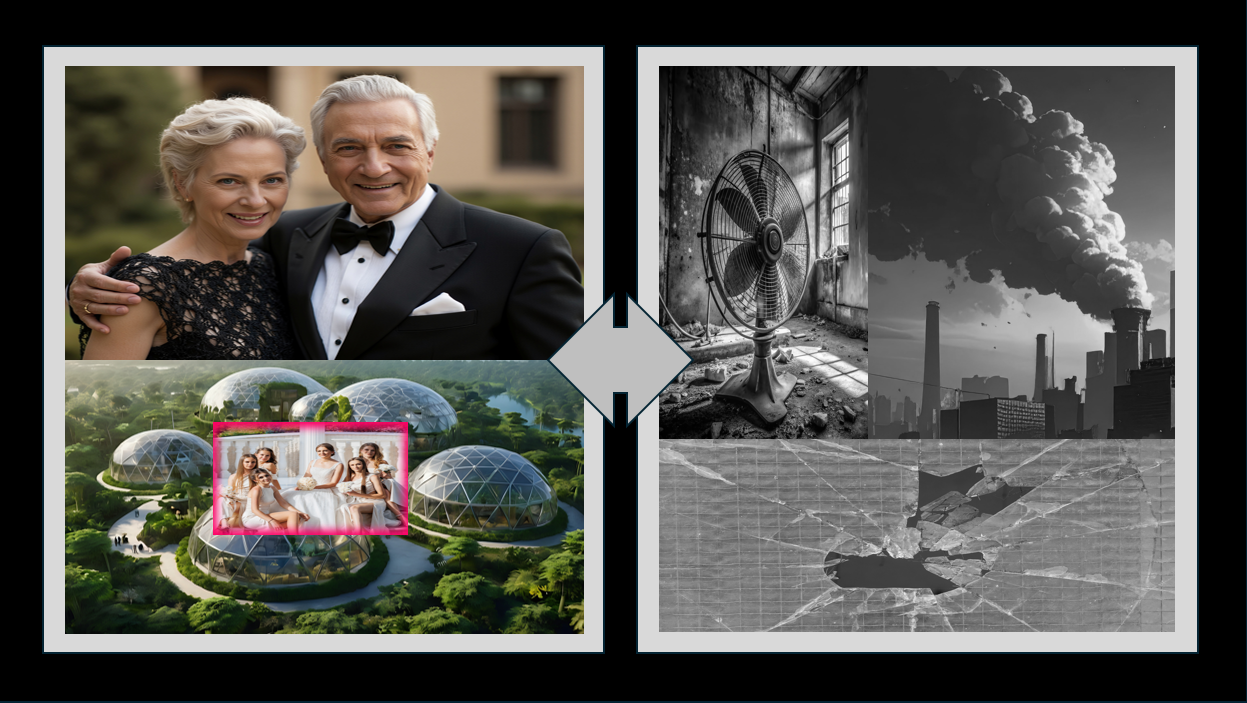
With rising global temperatures and more frequent heatwaves, cooling is becoming a key energy and societal challenge. Cooling is particularly critical for a group of seniors, growing to 2 billion people worldwide by 2050. In industrial societies, the population share of seniors aged 65+ may rise to more than 40% by that time (“the silver economy”), with a significant proportion aged 80 years or older. This will lead to increased uptake of, e.g., conventional air conditioners, with high energy consumption, using synthetic refrigerants (hydrofluorocarbons, HFCs). HFCs remain in the atmosphere for centuries and have a very high global warming potential (GWP). Conventional refrigeration systems currently account for approximately 8% of global greenhouse gas emissions. The heat dissipation from air conditioners also increases ambient temperature in our cities and exacerbates the urban heat island effect (UHI). At outside temperatures over 30 °C, heat-related cardiovascular diseases are rising in Europe. It is becoming a massive challenge, particularly for seniors in nursing homes, patients in clinics and hospitals, and therefore the state and society.
Another trend is digitalization. Industry 4.0 requires large numbers of data centers for the transfer and processing of enormous amounts of data between networked factories (Machine Learning, ML), or online streaming services (Content Delivery Networks, CDNs). To relieve the cloud and enable faster real-time processing, smaller, decentralized data centers (Containerized Edge Computing, CEC) are increasingly being used directly at service locations. The high density of servers and other hardware components operating continuously 24/7 in a data center generates a very large amount of heat, including high electricity demand. HVAC and cooling systems, e.g., computer room air conditioners, account for approximately 15 to 20% of the total cost of building a data center. They are also often the second-largest expense and energy consumer in a data center, accounting for approximately 30 to 40% of the total electricity consumption.
Public buildings with high occupancy also require cooling to maintain a comfortable, safe, and productive indoor environment, especially during heat waves and hot weather. Examples are train stations, museums, theaters, libraries, religious buildings, conference centers, shopping malls, sports arenas, schools, and childcare facilities.
Climate -friendly Water Cooling using Natural Water Sources, Closed-Loop Systems
A new generation of cooling units is emerging to provide chilled water without relying on synthetic refrigerants (hydrofluorocarbons, or HFCs), addressing environmental concerns regarding global warming and high electricity consumption. Modern cooling modules designed with these high-efficiency characteristics – using only water as a refrigerant, operating at extremely low pressures, and connecting two separate closed water circuits – are commonly referred to as water-based chillers or water-cooled closed-loop systems.
The decreasing boiling point with decreasing pressure leads to the boiling of the water inside the cooling module and latent heat removal during vaporization. It is referred to as vacuum-assisted evaporative cooling, a highly efficient heat transfer method often used for high-power electronics or in extreme environments (spacesuits of astronauts). A typical 50 kW cooling module with adjustable capacity can be a highly flexible, energy-efficient solution designed to match varying thermal loads, commonly used in industrial process cooling, data centers, and large-scale HVAC applications. In combination with an external dry cooler at night, the system efficiency can be further increased, often termed “free cooling” or “nighttime economizing”. The system operates in a climate-friendly manner, is highly water-efficient, and can improve the cost-efficiency of data centers. Cooling modules can also supply chilled water storage tanks for large industrial machines, public buildings, and are compatible with other refrigeration process technologies.
Strengthening Security of Supply in Remote Communities
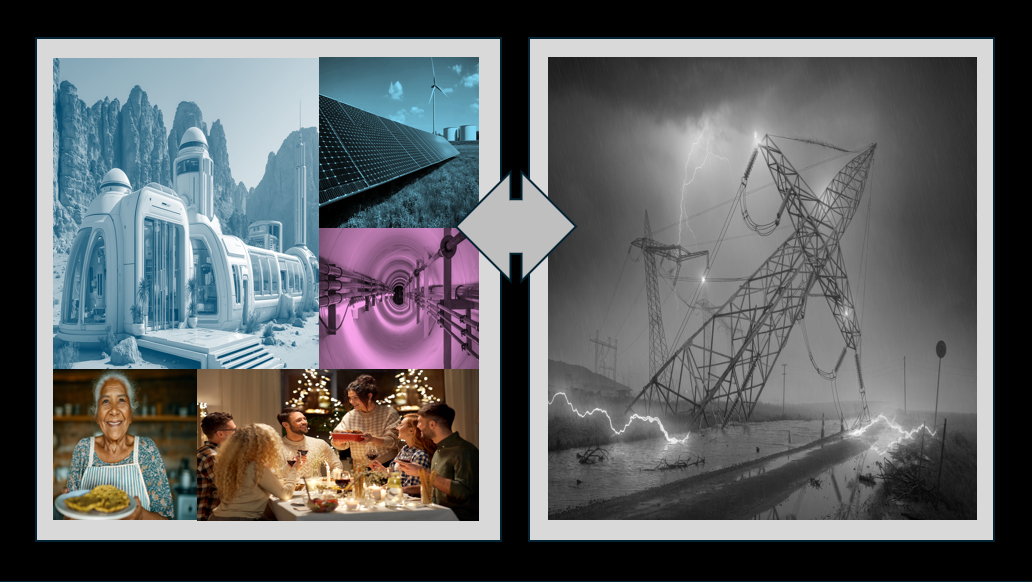
Remote communities, mining operations, and islands face significant challenges regarding the resilience of infrastructure (e.g., energy, communication). Winter storms, ice loads, hail, thunderstorms, floods, heavy rain events, and wildfires can damage power transmission towers. What was once considered an exceptional weather event has now become the new norm. A large number of regions in Germany are increasingly affected. Power outages caused by collapsing power transmission towers occur primarily at wind speeds > 95 km/h. Blackouts may interrupt electric heating systems, petrol or pumping stations, or sewage treatment plants. Internet, cellular networks, and landline phones are also affected by a power outage after a short time (e.g., base station outage), making communication within the community and with rescue services and administrative services more difficult. Rapid action is often not possible due to the long distances to power plants, delaying the restoration of the power grid. A blackout can thus cause a cascade of outages over days or weeks. While energy demand in remote communities is particularly high in winter, the simultaneous lack of wind and solar energy can lead to significant energy supply gaps. Winter weather with little wind and or sunshine, ‘cold dark doldrums’, can persist over several days and result in low electricity yields from solar and wind. Energy storage, base load power, emergency generators, or grid connection via cable become necessary. Power outages at remote mines can cause failure of critical systems, e.g., ventilation or water drainage systems.
Overcoming Energy Supply Gaps caused by Network Outages and Dark Doldrums
Microgrids based on renewable energy are localized power grids that integrate solar, wind, bioenergy, gas, diesel, and energy storage (batteries). They balance energy supply and demand and stabilize grid fluctuations. Smart microgrids have advanced control, are remotely managed, optimize energy resources, and communicate digitally with the main grid. To step down high supply voltages from the main grid to 120/240/208 V, single-phase or three-phase, for communities, operations, or machines, transformers are frequently used. Microgrids can operate both grid-connected (on-grid) and in island mode (off-grid). They can disconnect from the main power grid in the event of a power outage and continue to operate autonomously in island mode. Microgrids ensure 24/7, uninterrupted operation of critical infrastructure, particularly hospitals (intensive care units, life-support systems) and data centers (servers), as they guarantee an immediate takeover of the electricity loads.
Underground installation of power cables is an alternative method to connect remote communities to the main grid. Underground cables can ensure the supply of energy during extreme weather events if laid at a depth of 2 to 3 meters. Using micro tunneling (pipe jacking), e.g., as a construction method, water-carrying pipes, cable protection pipes made of steel, concrete, or fiberglass-reinforced plastic (FRP) can be installed horizontally with diameters between 60 cm and 1.5 m. Micro tunneling machines (MTBMs) are designed to be operated remotely and are often used to cross railway tracks, roads, buildings, lakes, streams, rivers, or other environmentally sensitive sites at a safe depth. They are also often used to lay power or fiber optic cables along motorways and railway lines over long distances (cable troughing). It can be carried out hydraulically and can achieve, depending on the soil conditions and pipe diameters, daily production rates of 20 to 180 meters.
Economic Benefits of Industrial Resilience for Society
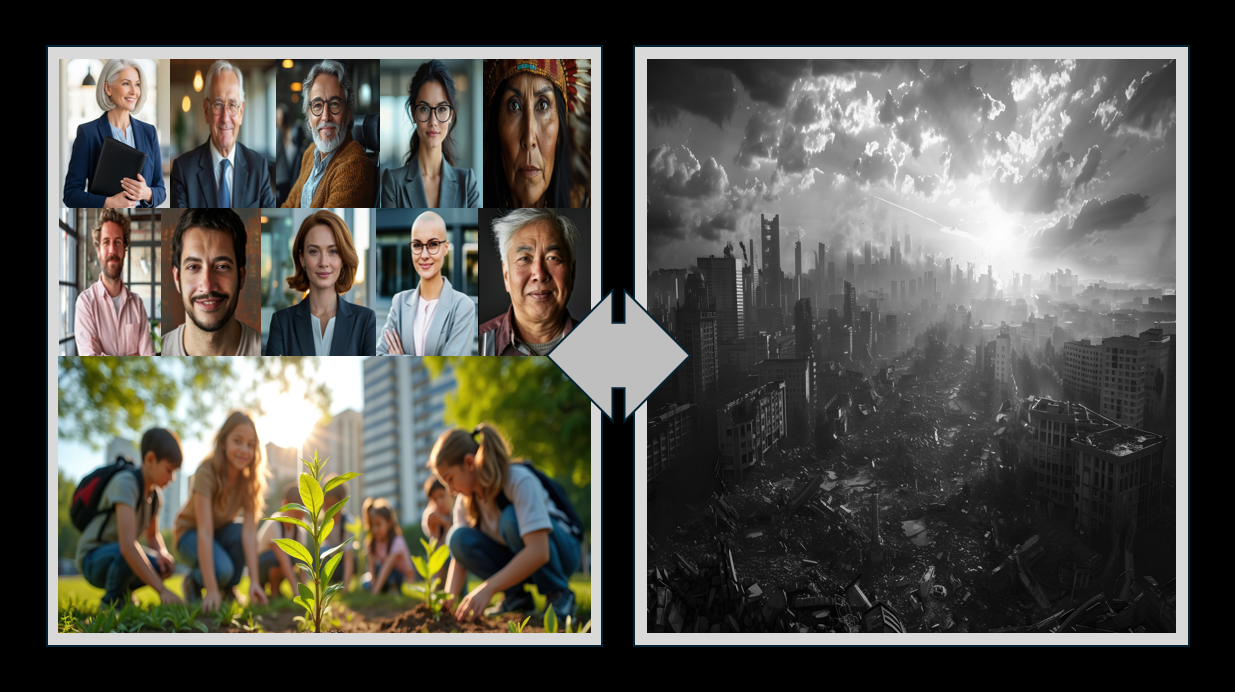
Measures to improve industrial resilience include: adaptation of urban infrastructures and factories (e.g., protection against floods, forest fires), building climate-resilient supply chains (e.g., ports, railway lines), integrated urban water management (e.g., droughts, power plants), securing the healthcare system (e.g., cooling systems), as well as investments in digitalization, energy efficiency, the environment and further education. Measures of this kind are highly effective in creating employment growth in the economy and improving the attractiveness of an industry in global competition. Significant benefits also accrue to the banking and financial sector. Strong industrial resilience reduces default risks (e.g., stranded assets), resulting in valuation adjustments in banks’ balance sheets. Climate resilience is crucial in the premium setting for infrastructure and new constructions. In addition, a large portion of the loan volume granted to traditional industries by banking institutions depends on ecosystem services and biodiversity (e.g., availability of freshwater and forest cover, soil erosion, and pollination). Low corporate insolvency rates and intact production facilities stabilize regional banks and improve the profit margins of pension funds. Stable harvests and supply chains stabilize prices. This benefits consumers, especially seniors and families with kids. Industrial resilience protects against physical damage caused by extreme weather events. Possible scenarios for Germany, depending on the level of implementation of industrial resilience measures and technological progress within the period 2025 to 2075, are:
- “Blue Sky Scenario”, P(A) = 0.02: Technological breakthrough and radical innovation reducing or stopping global warming, only a few extreme weather events, no significant anthropogenic economic damage, achieved through global scale or worldwide spread of e.g., quantum computing technology (limitless number new materials), nuclear fusion (inexhaustible baseload energy), large-scale geoengineering (e.g., theoretical SRM), etc.
- “Favorable Outcome”, P(B) = 0.28: Global temperature rise is between +1.5 and +2.5 °C in the period up to 2075, significant innovations reducing greenhouse gas emissions via e.g., Information and Communication Technology (supercomputing, 3D holography), sustainable mobility (electrification, rail transport), satellite technology (smart farming, prevention of extreme weather events), clean energy (storage, cooling systems), environmental (water security), chemistry (new materials), up to 80% of the anthropogenic economic damage caused by extreme weather events is avoidable if industrial resilience measures are fully implemented.
- “Expected Case, Most Probable”, P(C) = 0.64: Global temperature rise is up to +4.0 °C in the period up to 2075, caused by continuous, maybe even increasing greenhouse gas emissions, and despite innovations in ICT, mobility, energy, etc. Extreme weather events cause significant anthropogenic economic damage, accumulating in the period 2025-2050 to € 690 billion (min.: €280 billion, max.: € 900 billion). Up to 70% of the anthropogenic economic damage caused by extreme weather events is avoidable if industrial resilience measures are fully implemented; some disruptions to the financial and economic system are possible, e.g., valuation adjustments/banks, price increases/inflation (note: no assessment of damage to intangible assets).
- “Worst Case Scenario”, P(D) = 0.06: Global warming cannot be stopped, and reaches a temperature value that exceeds the biological, physical, and technical adaptability of humans, despite the greatest efforts made and all innovations. This is because the possibilities for human adaptation are finite. Global warming depends directly on the amount of greenhouse gases; there is no physical upper limit as long as the CO2 concentration continues to rise, driving the temperature increase. CO2 emissions, among other things, are mainly due to permafrost thaw, failure to implement climate protection processes, missing transformation to energy efficiency, and shortsighted cost-cutting at the expense of industrial resilience. Significant anthropogenic economic damage in the trillions due to losses in labor productivity (heat, diseases), food security (droughts), infrastructure (floods), and supply chain disruptions (ports, railway lines) between markets. Up to 60% of the damage caused by extreme weather is avoidable if industrial resilience measures are fully implemented; disruptions to the financial and economic system are likely.
Industrial resilience is therefore of the highest value and urgency, because it significantly mitigates the economic damage while securing the financial and economic system. Simultaneously, it gives the global community, scientists, and engineers more time to achieve effective climate solutions to avert global warming. (Sources: various climate research institutes, insurance association, ministries responsible for economic policy and industrial relations, MEDSTERN Canada LLP network partners, Germany 2025)
Groundwater Protection to ensure Public Health, Disease Prevention
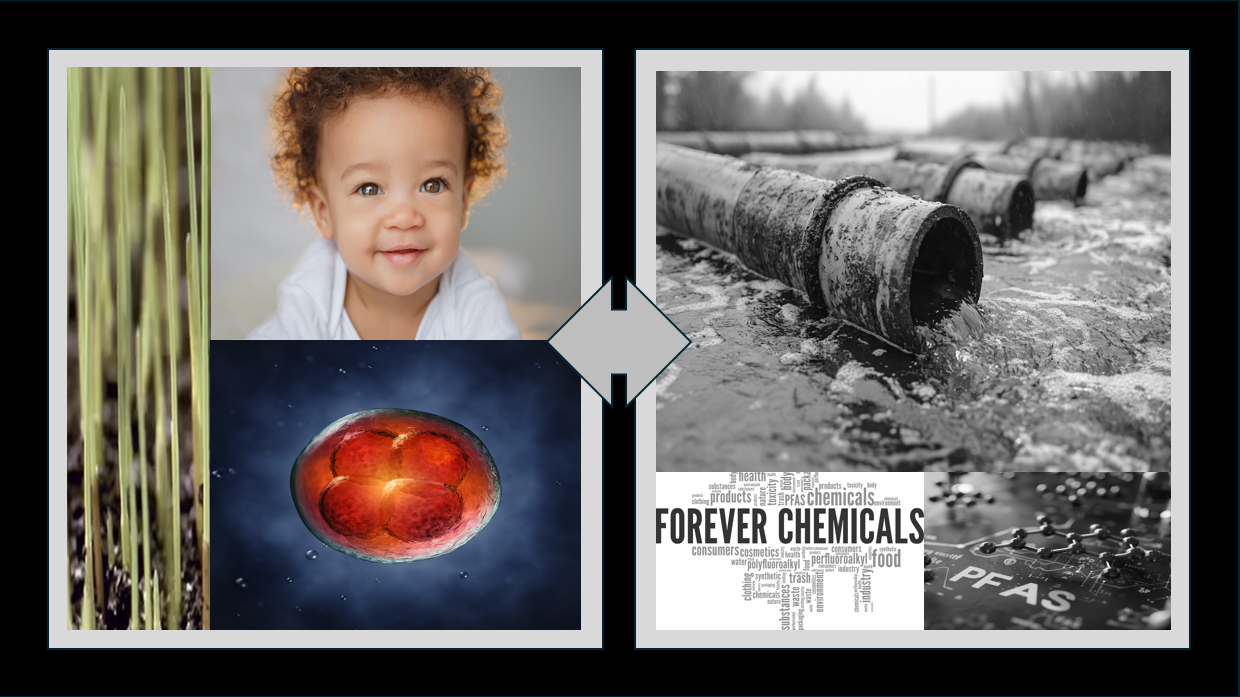
Dry spells and droughts are reducing supplies of fresh water. Germany has lost approximately 60 billion cubic meters (60 km³) of stored water – including groundwater, soil moisture, and glacier water over the period 2005 to 2025. Depending on the location, groundwater drawdown during this period ranges between 20 and 100 millimeters. Groundwater depletion leads to a massive deterioration of groundwater quality, mainly through physical concentration and altered flow conditions. Lower water volumes in the aquifer mean a lack of dilution effects with significantly increasing pollutant loads from contaminated surface waters (e.g., nitrates, pesticides, pharmaceutical residues, household chemicals, etc.). Higher groundwater temperatures can increase the solubility of certain pollutants, such as arsenic compounds. With approximately 70% of German drinking water sourced from groundwater or used for agricultural purposes, multi-billion-dollar infrastructure upgrades are essential to secure water and food chains. Accumulation of non-biodegradable substances, e.g., heavy metals, microplastics, as well as in the PFAS/PFC group (per- and polyfluoroalkyl substances), increases particularly sharply. These pollutants can persist for over 100 years, especially in colder climate regions.
In 2012, the C8 Science Panel in the USA published a series of reports identifying a probable link between elevated PFOA (a type of PFAS) exposure through contaminated drinking water and several human health conditions, such as kidney cancer, testicular cancer, thyroid disease, high cholesterol, ulcerative colitis, and pregnancy-induced hypertension. New toxicological studies detect PFAS in almost every human blood sample. High concentrations of PFAS/PFC can lead to accelerated biological aging in, among others, older men, particularly in cases of declining renal function. Suspected health risks for women mainly include breast cancer, delayed pregnancy, intestinal diseases, and an increased risk of miscarriage. Reduced sperm quality is suspected in male adolescents, and delayed breast development in girls. Children show reduced effectiveness of vaccines. Based on these findings, binding EU-wide limit values for 20 specified PFAS elements have been in place for drinking water since 2023, as well as stricter limit values of 0.02 µg/L (20 ng/L) for the PFAS-4 group (PFOS, PFOA, PFHxS, and PFNA).
Heavy metals, microplastics, and PFAS/PFC groups are also entering water sources via the transport sector. Vehicles used on German streets and highways emitted 100,000 to 140,000 tons of fine dust and microparticles in 2023. Tires, consisting of rubber, synthetic rubber, carbon black, silica, chemical plasticizers, oils, resins, and metals, are the reason for this. Vehicle tires generate around 1.2 kg of tire wear over their lifespan. While microscopic aerosols float in the air for a long time, heavy particles fall to the ground and are washed into the groundwater by rain. For electric vehicles with heavy battery blocks and heavy transport vehicles, tire wear can be even higher. For the first time, the Euro 7 standard (2026) defines, in addition to exhaust gases, requirements for tire abrasion, brake dust, and minimum battery durability (10 years / 200,000 km).
Remediation of PFAS/PFC contaminated areas, Drinking Water Protection
While ‘forever chemicals’ have been known for many years, detecting them can often be proven difficult and expensive. Complex sampling and analysis processes, combined with laboratory instruments and equipment that may contain PFAS/PFC, often resulted in sample contamination and measurement inaccuracies. There were also no uniform guidelines or rules. The reason for the great PFAS/PFC significance in Germany is also due to the high level of trust provided by the citizens in water quality.
In 2014, a very high PFAS/PFC load was found near the famous spa town of Baden-Baden. Unaware farmers had spread compost, contaminated with PFAS/PFC, on more than 3,000 acres of farmland for years. The PFAS/PFCs seeped into the groundwater and were detected in blood tests of residents in 2018. Over 200,000 citizens were regionally affected, and a wide range of the above-mentioned symptoms occurred. Better measurement methods for groundwater pollution are now available, including 15-minute rapid tests for PFAS/PFC, effective water treatment techniques (mobile, stationary), and highly efficient remediation methods, especially for groundwater aquifers. The case attracted attention across Europe and is considered basic PFAS/PFC knowledge for environmental managers and schoolteachers. https://www.youtube.com/watch?v=chmeUx_Vz7I
(PFAS “Forever Chemicals” in drinking water I DW Documentary).
Decarbonizing the Transport Sector, reducing Smog
Car, Truck, Bus, Train
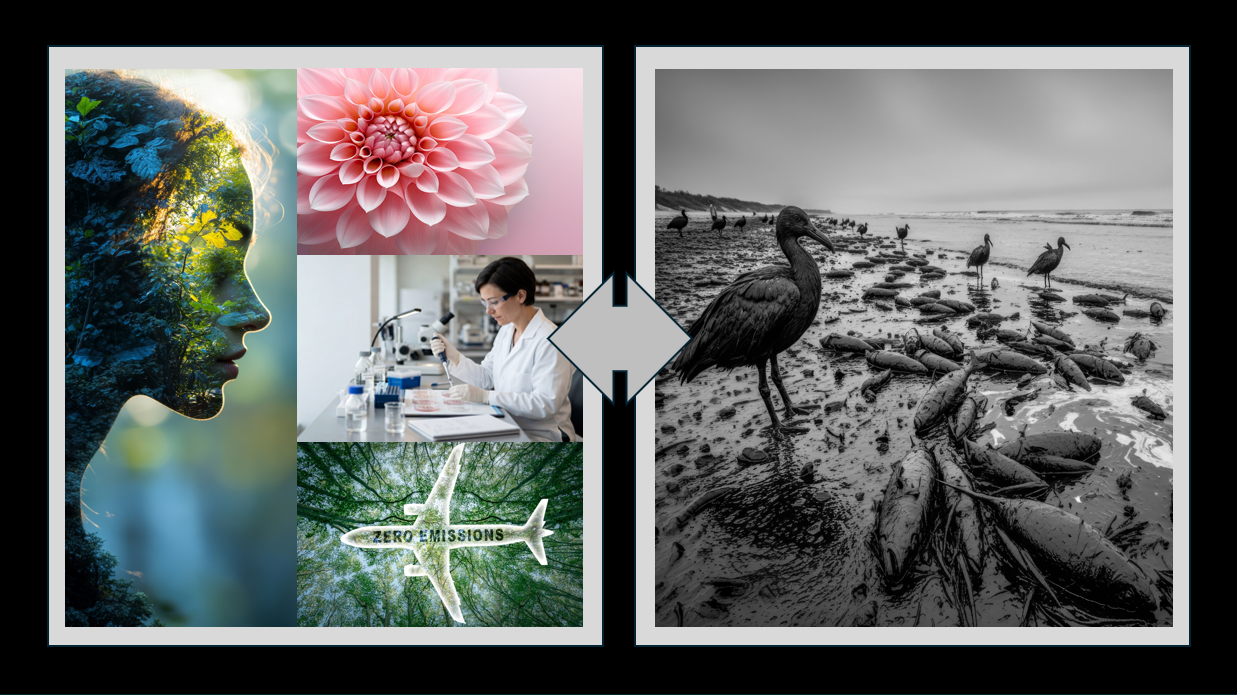
Motorized road traffic pollutes the air with nitrogen oxides (NOx), carbon dioxide (CO2), particulate matter (PM), volatile organic compounds (VOCs), and sulfur dioxide (SO2). With intense solar radiation, these can react to form ground-level ozone (summer smog). Often, pollutant concentrations in the surrounding countryside are higher than in the cities themselves. Coughing, headaches, impaired lung function, asthma, and cardiovascular diseases can result. Older people are mainly affected, as they react more sensitively to ozone-polluted air. Studies confirm that high concentrations of fine particulate matter (PM 2.5), soot particles, and nitrogen dioxide (NO2) accelerate the growth of cancer cells, particularly bronchial carcinomas and lung cancer. Measures to improve air quality include vehicle electrification (e-mobility) and shifting road freight transport to electric rail.
Plane, Ship
Flight is one of the most climate-damaging modes of transport. In addition to CO2 emissions, contrails (condensation trails) are formed at altitudes of up to 14,000 meters when engine exhaust mixes with cold air. Contrails can become cirrus clouds that accelerate the greenhouse effect. Sustainable aviation fuel (SAF) can significantly reduce contrails. SAF burns cleaner, contains fewer aromatics, and therefore emits fewer soot particles, which form the condensation nuclei of contrails. A high blend of bio-kerosene can accelerate the dissolution of contrails in the troposphere. Under the Refuel EU Aviation Regulation (EU 2023/2405), fuel suppliers must therefore meet SAF blending mandates, based on waste-derived or synthetic fuels (e-fuels), starting in 2025. From 2030, SAF blending mandates will be set at 6% (e-fuels: 1.2%), rising to 20% SAF (e-fuels: 5.0%) by 2035. When SAF is blended into ship engines, it can reduce (CO2) emissions between 50 to 80%, while simultaneously producing less particulate matter and sulfur dioxide. This significantly improves air quality, especially in port cities. The Fuel EU Maritime Regulation, therefore, incentivizes the use of renewable fuels with a high decarbonization factor. This applies particularly to the hard-to-electrify shipping sector, involving ships over 5,000 gross tonnage (GT) that regularly call at EU ports. Other advanced biofuels (besides SAF) include biomethane, bioethanol, and biobutanol. Furthermore, the minimum quota for second-generation biofuels is set to rise from 0.1% in 2021 to 2.6% in 2030.
Towards a sustainable 21st-century bioeconomy through climate awareness
Sustainability as a societal trend is driving the growth of the bioeconomy. Demand for bio-sustainable materials is surging, particularly in the European pharmaceutical, medical, cosmetics, textile, construction, and toy industries. The circular economy primarily focuses on utilizing residues to produce bioplastics, bioenergy, sustainable building materials, and fashion products, among others. Important bioplastics can be based on, among others, bioethanol or biobutanol. These are obtained from biomass in biorefineries, including bio-based olefins such as bio-ethylene, bio-propylene, bio-butadiene, lysine, acetoin, or green solvents such as ethyl lactate. These products have high technical compatibility and achieve market prices between USD 1,000 and 2,500 per ton (depending on purity levels). They are in high demand by European women due to a low ecological footprint, safety, and excellent quality. Areas of application in pharmacies and medicine include drug packaging for tablets or disposable laboratory items such as petri dishes. In the textile industry, bioplastics offer better skin compatibility and lower allergy potential due to their freedom from hazardous substances (e.g., no chemical plasticizers). Leading natural cosmetics brands and toy manufacturers use bioplastics, for example, in packaging for hair care products, beauty creams, children’s toys, and eco-diapers. If bioplastic also features high biocompatibility, it can be classified as ‘medical grade’. Biocompatible materials like polylactic acid (PLA) and polyhydroxyalkanoates (PHA), produced via fermentation in high-performance bioreactors, are used in medical applications such as implants, sutures, and catheters. Europe is considered a leading key market for bioplastics, with projected growth rates (CAGR) of 18% and a volume of USD 31 billion by 2033.
Global Cooperation to Prevent Pandemics and Zoonoses
Climate change significantly increases the risk of new infectious diseases (so-called zoonoses), viral epidemics, and pandemics. Ancient viruses and bacteria can be trapped in thawing permafrost and become active again. New co-infections or virus mutations (e.g., hantavirus, SARS-CoV-2, etc.) are possible. The novel coronavirus pandemic between 01/2020 and 05/2023 is a precursor for the coming decades. The WHO estimates the number of people who died globally due to SARS-CoV-2 (variants/infections) during this period to be between 7.1 and 16.6 million. In addition, there are hundreds of millions of patients with impairments in their quality of life. Seniors suffered severe distress due to, e.g., pneumonia, fever, cough, sputum production, fluid and urine loss, shortness of breath, cardiac arrhythmias, vomiting, and death. In Canada, the 62+ age group and people living with dementia were mainly affected. We were all affected; these were people we knew
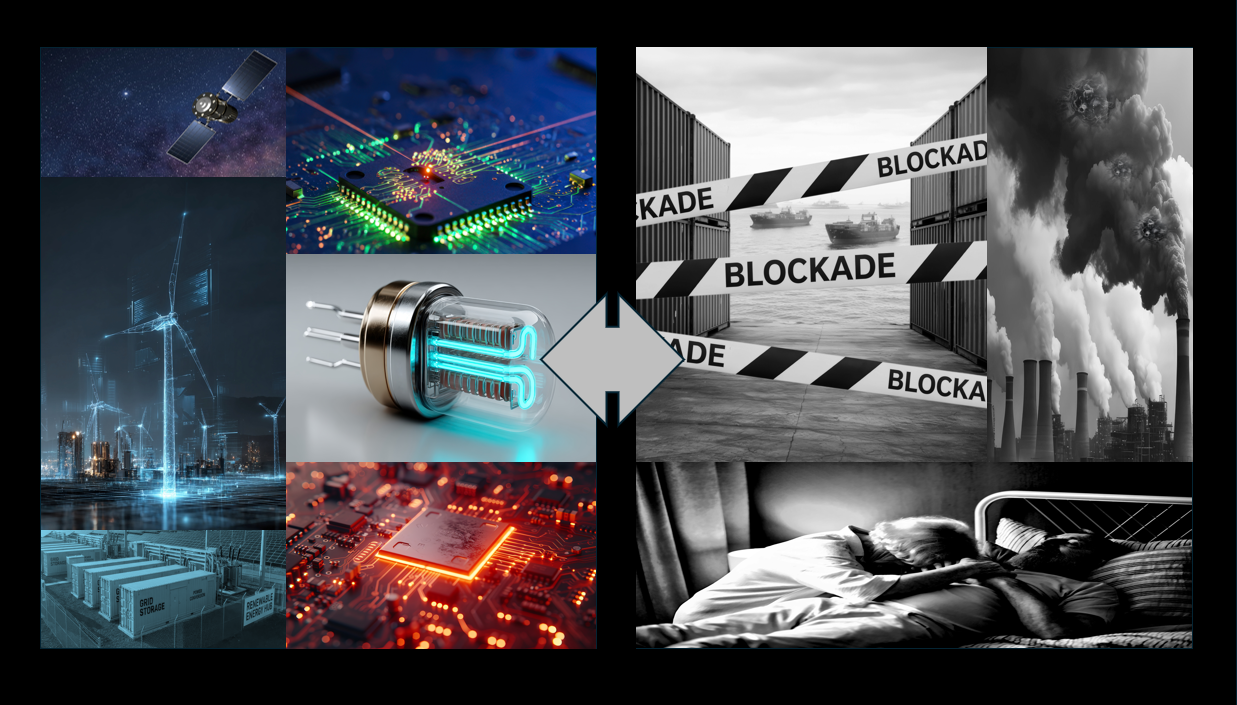
The pandemic exposed weaknesses in health infrastructure and scientific communication between nations. Above all, the lack of industrial resilience became apparent. Semiconductor production was mostly outsourced in the 1990s. Production stops and supply chain disruptions in the Taiwan Strait led to semiconductor shortages in Canada and Germany. This effect persists to this day, with the automotive and mechanical engineering sectors particularly being affected. Economic institutes estimate the macroeconomic damages in the 2020-2025 period to be approximately CAD 165 billion in Canada and EUR 735 billion in Germany. Excluded from this are healthcare costs, pension and inflation losses, the effects of compound interest, and the burdening of future generations with public debt in the trillions.
The European Chips Act - Strengthening Supply Security, Industrial Resilience in Manufacturing
Microchips, diodes, and sensors are considered the oil of the 21st century today. They process information, store data, switch electrical currents, and control functions. Without semiconductor components such as integrated circuits (microprocessors, memory chips), power semiconductors (IGBTs, MOSFETs), sensors (MEMS), and diodes (LEDs), the modern, digital world does not function. They are essential for climate models, energy storage, electric vehicles, etc. Based on supply chain issues in the context of climate change, the European Parliament formulated the European Chips Act. As part of an initial tranche, over EUR 43 billion is being made available specifically to support the semiconductor industry. It includes EUR 11 billion in the ‘Chips for Europe’ initiative, with a focus on a) training of semiconductor specialists, b) prototype construction and testing, as well as c) setting up production lines. Measures and development projects include the construction of new semiconductor factories with excellence in test and packaging, chip design, semiconductor manufacturing technology, and the production of materials and chemicals. As part of the location policy, the construction and expansion of chip factories (so-called fabs) as well as research projects for the development of new chip generations are being funded with further billions at the national level.
The European semiconductor industry focuses primarily on semiconductor innovations for transportation systems, energy, security technology, and mechanical engineering. Further objectives include, among others, environmental satellites, data centers, and 6G network technology. The largest locations and centers in Europe are primarily Dresden („Silicon Saxony“), Munich („Isar Valley“), and the Region Rhine-Main-Neckar („Silicon Valley of Germany“). Approximately 70,000 people are employed across around 2,500 companies, research institutes, and universities. The German semiconductor industry supports the circular economy and twin transition (digitalization and sustainability) through innovations in, e.g., power semiconductors (including microchips for power grid control, grid components), microcontrollers and signal processors (including MCUs and DSPs for drive and motor control), AI chips (including renewable energy forecasting and smart grid control), transponders (including RFID for component identification), optical transceiver modules (including CMOS for sensing, data transmission), as well as neuromorphic processors (including IoT applications, real-time processing), among others.
